






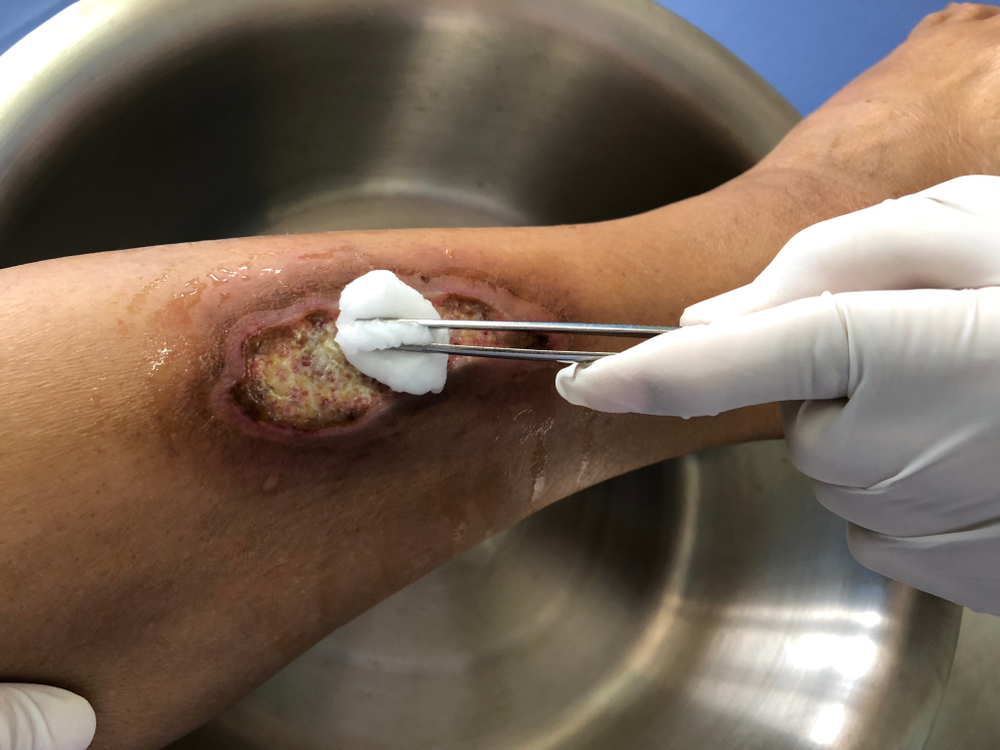
Wound Hygiene and Biofilm Management: Standardizing Cleansing Practices
June 4, 2026
Keywords
Categories
Wound hygiene has emerged as a critical component of wound bed preparation, biofilm disruption, and infection prevention across the continuum of care.
Why This Matters
- Chronic wounds affect millions of patients globally and have a strong association with infection, biofilm formation, delayed healing, and rising healthcare expenditures.
- Evidence increasingly supports wound hygiene practices as a foundational strategy for disrupting biofilm and reducing complications before wounds progress to more severe outcomes.
- Variability in cleansing and wound bed preparation practices across care settings highlights the need for standardized approaches and ongoing clinician education.

Chronic wounds remain a significant and costly challenge facing healthcare systems worldwide. Pressure injuries, diabetic foot ulcers (DFUs), venous leg ulcers (VLUs), surgical wounds, and other nonhealing wounds collectively affect millions of patients each year and contribute to substantial morbidity, mortality, and healthcare utilization. According to Medicare data analyses, more than 8 million Americans are impacted by chronic wounds annually, with wound-related care expenditures estimated to exceed $28 billion per year.1
Over the past decade, our understanding of biofilm and its role in wound chronicity has grown. Biofilms are structured communities of microorganisms encased within a protective extracellular matrix that adheres to the wound surface.2 Once established, biofilm can shield bacteria from host immune responses and antimicrobial therapies, allowing inflammation and tissue damage to persist.
Research suggests biofilm may be present in up to 78% of chronic wounds.3 Importantly, biofilm is not always clinically obvious. Wounds may appear clean while still harboring microbial communities capable of perpetuating inflammation and delaying closure.4 This creates concern regarding the limitations of relying solely on visible signs of infection when evaluating wound status.
The impact of biofilm extends beyond delayed healing alone. Chronic inflammation associated with persistent bioburden can increase exudate production, impair granulation tissue formation, and contribute to recurrent infection-related complications.5 In surgical wounds and diabetic foot ulcers, infection remains a leading driver of hospitalization and amputation risk.6
In parallel, antimicrobial resistance is an escalating global health concern. The World Health Organization identifies antimicrobial resistance as one of the top threats to public health, increasing pressure on clinicians to prioritize prevention-oriented strategies that reduce infection risk before systemic therapies become necessary.7 This has renewed interest in routine wound hygiene practices designed to reduce microbial burden and disrupt biofilm mechanically.
Wound Hygiene Is Emerging as a Foundational Component of Wound Bed Preparation
Historically, viewpoints on wound cleansing framed it as a relatively routine or secondary task within the broader wound management process. However, evolving evidence has targeted wound hygiene as a critical intervention capable of influencing healing outcomes from the earliest stages of care.
The concept of wound hygiene encompasses more than simple cleansing. Contemporary frameworks emphasize repeated removal of debris, devitalized tissue, exudate, contaminants, and surface biofilm as part of comprehensive wound bed preparation.8 International consensus recommendations increasingly recognize regular wound hygiene as a proactive strategy intended to interrupt biofilm reformation and maintain a wound environment more conducive to healing.9 Additionally, timing considerations, care settings, variability in technique, available products, resource limitations, and documentation practices all underscore the need for standardized wound healing protocols across settings and providers.10,11
The importance of wound hygiene also ties closely to infection prevention efforts. Chronic wound infections are associated with longer healing times, higher hospitalization rates, increased healthcare expenditures, and elevated mortality risk.12
Pressure injuries alone are associated with substantial morbidity and can progress rapidly when bacterial burden escalates. In patients with diabetes, infected foot ulcers remain the leading precipitating factor for lower extremity amputations.13 Mortality following major diabetic amputation remains alarmingly high, with 5-year mortality rates comparable to many cancers.14
Even beyond severe complications, local infection and excessive bioburden can have meaningful impacts on patient experience. Increased exudate, odor, pain, and dressing instability can reduce quality of life and increase caregiver burden.15 Frequent dressing changes and prolonged treatment courses may also increase clinician workload and healthcare resource utilization. All of these factors add to the totality of evidence and experience stressing the importance of wound hygiene as part of a comprehensive wound management plan.
Education and Standardization Are Becoming Increasingly Important
The rapid evolution of wound science has created growing demand for clinician education surrounding wound hygiene, biofilm management, and wound bed preparation principles. While awareness of biofilm has expanded significantly, studies continue to identify knowledge gaps regarding recognition, assessment, and practical implementation of hygiene-based strategies.16
In addition, growing emphasis on evidence-based care has increased demand for protocols capable of improving reproducibility across diverse care environments. Healthcare organizations increasingly seek approaches that support clinician efficiency while also reducing variability in patient outcomes.
For wound care professionals, understanding the evolving science behind wound cleansing, bioburden management, and biofilm disruption is becoming increasingly important—not only for improving patient outcomes, but also for supporting quality improvement initiatives and standardized clinical practice. As a whole, efforts to close the knowledge gap on wound hygiene and cleansing practices remain vital in the wound management landscape.
References
1. Nussbaum SR, Carter MJ, Fife CE, et al. An economic evaluation of the impact, cost, and Medicare policy implications of chronic nonhealing wounds. Value Health. 2018;21(1):27-32. doi:10.1016/j.jval.2017.07.007
2. Bjarnsholt T, Eberlein T, Malone M, et al. Management of wound biofilm made easy. Wounds International. 2017;8(2):1-6.
3. Malone M, Bjarnsholt T, McBain AJ, et al. The prevalence of biofilms in chronic wounds: a systematic review and meta-analysis of published data. J Wound Care. 2017;26(1):20-25. doi:10.12968/jowc.2017.26.1.20
4. International Wound Infection Institute. Wound Infection in Clinical Practice: Principles of Best Practice. Wounds International; 2022.
5. Wolcott RD, Rhoads DD, Bennett ME, et al. Chronic wounds and the medical biofilm paradigm. J Wound Care. 2010;19(2):45-53. doi:10.12968/jowc.2010.19.2.46950
6. Lipsky BA, Senneville E, Abbas ZG, et al. Guidelines on the diagnosis and treatment of foot infection in persons with diabetes. Diabetes Metab Res Rev. 2020;36(suppl 1):e3280. doi:10.1002/dmrr.3280
7. World Health Organization. Antimicrobial resistance fact sheet. Updated November 2023. Accessed May 20, 2026. https://www.who.int/news-room/fact-sheets/detail/antimicrobial-resistan…;
8. Murphy C, Atkin L, Swanson T, et al. Defying hard-to-heal wounds with an early antibiofilm intervention strategy: wound hygiene. J Wound Care. 2020;29(sup3b):S1-S26. doi:10.12968/jowc.2020.29.Sup3b.S1
9. International Wound Infection Institute. Wound Hygiene Consensus Document. Wounds International; 2023.
10. Percival SL, McCarty S, Lipsky B. Biofilms and wounds: an overview of the evidence. Adv Wound Care (New Rochelle). 2015;4(7):373-381. doi:10.1089/wound.2014.0557
11. Agency for Healthcare Research and Quality. Care coordination measures atlas update. Published 2020. Accessed May 20, 2026. https://www.ahrq.gov
12. Sen CK. Human wounds and its burden: an updated compendium of estimates. Adv Wound Care (New Rochelle). 2019;8(2):39-48. doi:10.1089/wound.2019.0946
13. Armstrong DG, Swerdlow MA, Armstrong AA, et al. Five year mortality and direct costs of care for people with diabetic foot complications are comparable to cancer. J Foot Ankle Res. 2020;13:16. doi:10.1186/s13047-020-00383-2
14. Thorud JC, Plemmons B, Buckley CJ, et al. Mortality after nontraumatic major amputation among patients with diabetes and peripheral vascular disease: a systematic review. J Foot Ankle Surg. 2016;55(3):591-599. doi:10.1053/j.jfas.2016.01.012
15. Probst S, Seppänen S, Gethin G, et al. EWMA document: home care-wound care: overview, challenges and perspectives. J Wound Care. 2014;23(suppl 5b):S1-S41. doi:10.12968/jowc.2014.23.Sup5b.S1
16. Swanson T, Schultz G, Malone M, et al. Development of a biofilm-based wound care pathway. J Wound Care. 2022;31(sup7):S4-S26. doi:10.12968/jowc.2022.31.Sup7.S4
The views and opinions expressed in this content are solely those of the contributor, and do not represent the views of WoundSource, HMP Global, its affiliates, or subsidiary companies.


