






Using AI to Empower Self-Management in Diabetic Foot Ulcers: Practical Innovation at WoundCon Spring
March 25, 2026
Keywords
Categories
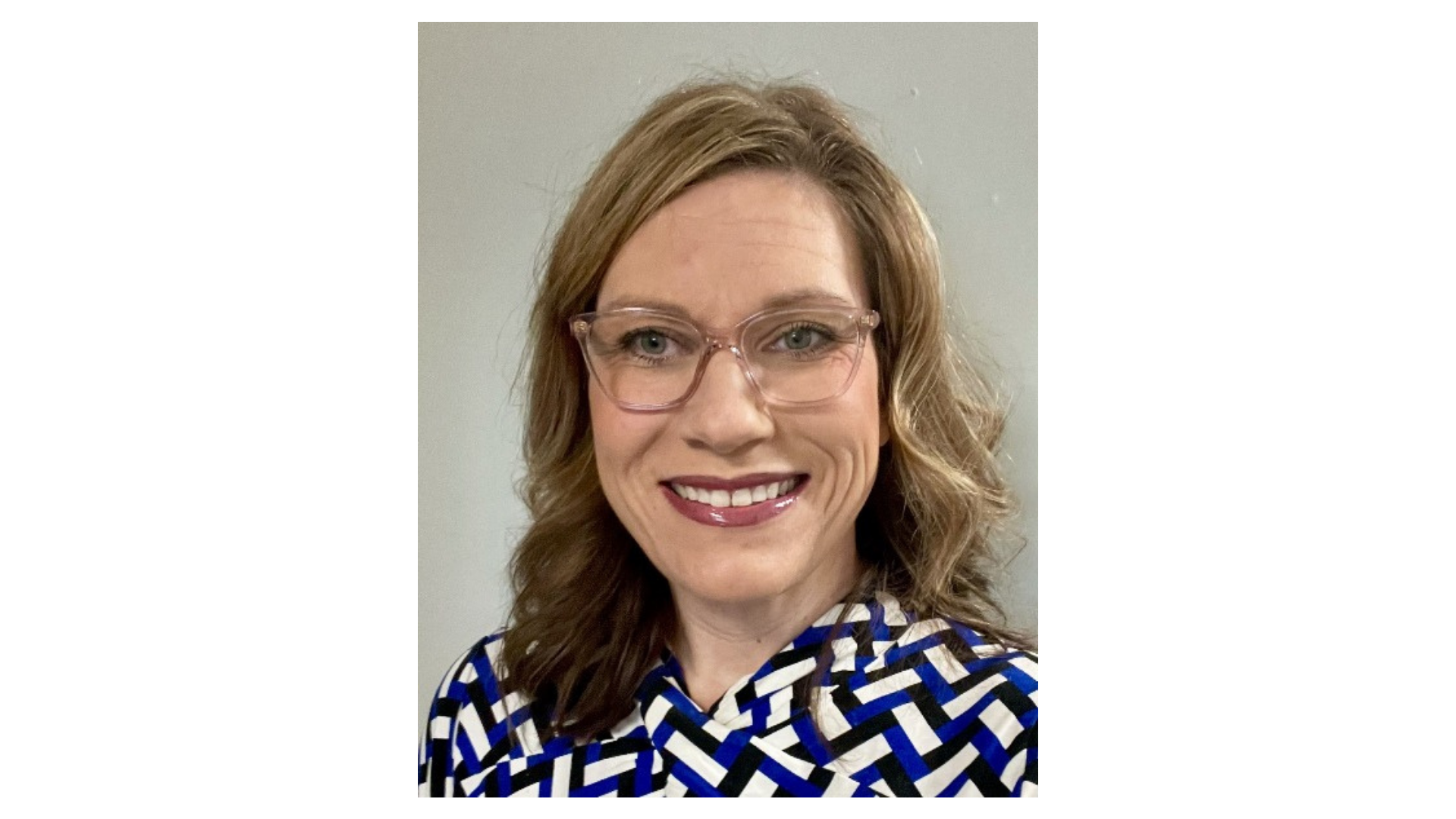
Mary Martin, BSN, RN, CWS
Artificial intelligence is transforming healthcare—but how can it meaningfully support patients managing diabetic foot ulcers (DFUs) between visits? At WoundCon Spring, Mary Martin, BSN, RN, CWS, presents “Educating the Patient: Using AI to Empower Self-Management in DFUs,” a session in which she explores how technology can enhance—not replace—clinical judgment while improving long-term DFU outcomes. In this exclusive Q&A, she shares how AI can reduce cognitive overload, reinforce education, and strengthen patient participation in wound care.
Key Takeaways
1. The real DFU challenge happens between visits.
Even with excellent clinical care, outcomes often hinge on what patients do at home. AI can extend support beyond the clinic by reinforcing education, normalizing challenges, and guiding daily wound care, offloading, glucose management, and infection monitoring.
2. AI should reduce cognitive burden—not add to it.
Patients struggle less with motivation and more with complexity and sustainability. Thoughtfully designed technology can deliver reminders, pattern recognition, and early warning signals in digestible moments that support adherence and prevent complications.
3. AI is a patient support strategy, not a replacement for clinicians.
The most effective AI applications in wound care strengthen consistency, reduce omissions, and reinforce best practices. When centered on human behavior and real-world barriers, AI enhances the human element of care rather than diminishing it.
AI is everywhere in healthcare conversations right now. What inspired you to explore its role specifically in diabetic foot ulcer (DFU) self-management?
My interest really started at the intersection of 2things I care deeply about: wound outcomes and patient understanding. In practice, I repeatedly saw that even when we provided high-quality clinical care, outcomes were often limited by what happened between visits — daily decisions, habits, and confidence in self-care.
Diabetic foot ulcers are especially complex, because self-management isn’t just one task. It involves wound care, offloading, glucose management, infection monitoring, and lifestyle adjustments all happening at once. That’s a huge cognitive and emotional burden for patients.
AI presents an opportunity to extend support beyond the clinic by reinforcing education, normalizing challenges, and providing real-time guidance in a way that is scalable and consistent. That potential to support patients in their real, everyday environments is what inspired me to explore this space further.
From your experience, what are the biggest challenges patients face when trying to self-manage DFUs—and where do you see technology potentially making a meaningful difference?
The biggest challenge is rarely willingness — it’s complexity and sustainability. Patients are trying to balance wound care with work, family responsibilities, mobility limitations, and often financial or transportation barriers. Even highly motivated patients can struggle with consistency over time.
Another major challenge is information overload. Patients may leave visits with instructions, but translating those instructions into daily life is where breakdowns often happen.
Technology can make a meaningful difference by reinforcing education in small, digestible moments, providing reminders and pattern recognition, and helping patients recognize early warning signs before complications escalate. When done well, technology can reduce cognitive load rather than add to it, which is critical for long-term adherence.
Some clinicians are excited about AI, while others are cautious. What do you think healthcare professionals most misunderstand about AI in wound care right now?
One of the biggest misunderstandings is the idea that AI is meant to replace clinical judgment. In reality, the most effective use cases support clinicians by improving consistency, reducing omissions, and reinforcing best practices.
Another misconception is that AI is only about advanced diagnostics or predictive analytics. Some of the most powerful applications are actually very practical — supporting education, standardizing communication, and helping patients navigate complex care plans between visits.
The goal is not to remove the human element from wound care. It’s to strengthen it by giving both clinicians and patients better tools.
For attendees considering your session, what key mindset shift or takeaway do you hope they leave with regarding AI and patient empowerment?
I hope attendees leave seeing AI not as a technology project, but as a patient support strategy.
The real opportunity is not just doing wound care to patients but building systems that help patients successfully participate in their own care. When we design technology around real human behavior—routines, barriers, emotions, and habits—we start to see meaningful improvements in outcomes.
Ultimately, AI should help us deliver more personalized, more consistent, and more human-centered care, not less.
Mary Martin is a board-certified wound specialist, a Nursing Instructor at West Virginia Junior College, and a patient advocate and consultant through Mary Martin Consulting, LLC. She is also a co-chair of the PAWSIC Education Committee.
The views and opinions expressed in this content are solely those of the contributor, and do not represent the views of WoundSource, HMP Global, its affiliates, or subsidiary companies.


