






New Consensus Offers Practical Framework for Chronic Wound Debridement
June 1, 2026
Keywords
Categories
An expert multidisciplinary panel has published new consensus guidance on WOUNDS aimed at helping clinicians make more patient-centered debridement decisions.
Key Takeaways
- Debridement is not a one-time procedure. The panel recommends a dynamic “escalation/de-escalation” approach that adapts as wounds heal or stall.
- Patient-centered care is essential. Pain management, communication, and shared decision-making were identified as core components of successful wound care.
- Multiple debridement methods may be needed. Experts stressed that clinicians should select techniques based on wound characteristics, clinician expertise, and treatment goals—not reimbursement considerations.
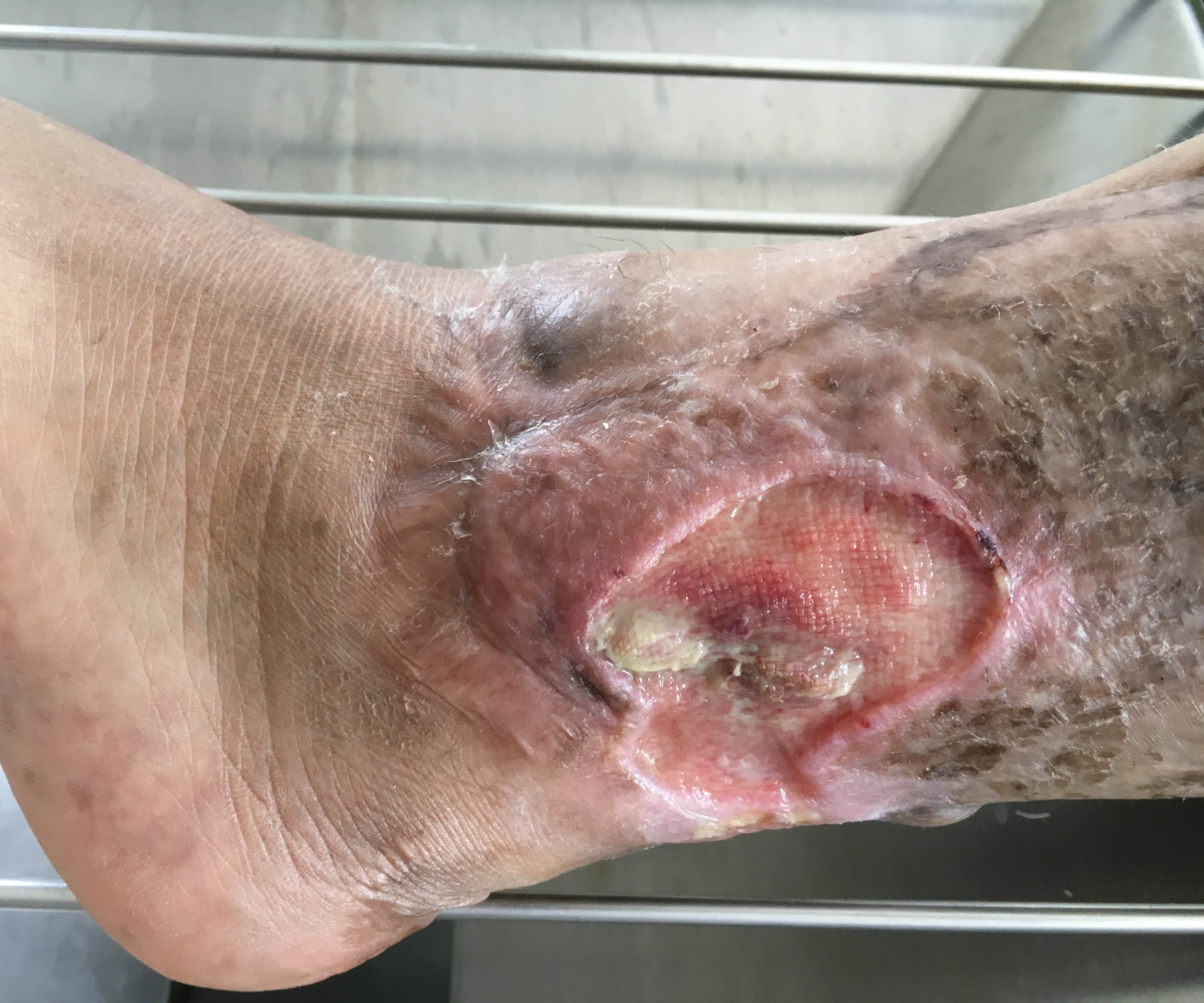
A new multidisciplinary consensus paper published in WOUNDS outlines practical recommendations for debridement in chronic wound management, with a focus on real-world clinical decision-making in the United States. The guidance, titled Toward a Practical Framework for Debridement in Chronic Wounds: Findings From a United States-Based Multidisciplinary Consensus Panel, was developed by a 9-member panel representing vascular surgery, podiatry, nursing, physical therapy, plastic surgery, general surgery, and wound science.1
The panel convened in 2025 and used a structured consensus process to develop 17 final recommendations addressing how clinicians can select and sequence debridement methods across different wound types and care settings.
According to the authors, although debridement is widely recognized as a cornerstone of wound healing, clinicians still lack practical guidance on how to tailor approaches to individual patients. The consensus document aims to fill that gap by emphasizing flexibility and patient-centered care.
Debridement Does More Than Remove Dead Tissue
One of the paper’s central themes is that debridement should not be viewed simply as the removal of necrotic tissue. Instead, the panel described debridement as a process that can help “reset” the chronic wound environment.
The authors noted that chronic wounds often remain stuck in an ineffective inflammatory state. Debridement may help convert that stalled environment into one that more closely resembles acute wound healing by reducing biofilm, lowering bacterial burden, and removing senescent cells that impair tissue repair.1
The panel strongly agreed that clinicians should consider some form of debridement after assessing most chronic wounds, even in lower-resource or rural settings where diagnostic testing may be limited. However, the authors emphasized that aggressiveness should be matched to the patient’s condition and wound goals.1
“Chutes and Ladders” Approach Encourages Ongoing Reassessment
A major concept introduced in the paper is the idea of a “chutes and ladders” model for debridement. Rather than relying on a single modality throughout treatment, clinicians may need to escalate or de-escalate therapies as wound conditions change.1
For example, a patient might initially require sharp debridement to remove extensive necrotic tissue, followed by ongoing enzymatic or autolytic debridement for maintenance. If healing stalls, clinicians may need to increase intervention intensity again.
The panel stressed that debridement should be viewed as a dynamic process instead of a “one-and-done” procedure. Wound progression, pain levels, infection status, and patient tolerance should all influence treatment adjustments over time.
Pain Management and Communication Are Central to Care
The consensus group repeatedly emphasized that successful wound care depends not only on technical skill, but also on patient preparation and communication.
Panelists agreed that pain management should be prioritized before, during, and after debridement procedures. Recommendations included assessing pain expectations in advance, using topical anesthetics or local anesthesia when appropriate, and selecting less painful methods when clinically reasonable.1
Clear communication with patients and caregivers was another area of unanimous agreement. The paper recommends discussing treatment goals, potential discomfort, wound appearance changes, and expected outcomes throughout the healing process.1
The authors described patients as active participants in wound healing rather than passive observers.
Newer Technologies May Support Decision-Making
The panel also discussed emerging diagnostic tools that could help clinicians guide debridement decisions, including bacterial fluorescence imaging, near-infrared spectroscopy (NIRS), and thermography.
While these technologies were viewed as promising adjuncts, the panel cautioned that they should not replace clinical judgment. Experts noted that access to advanced imaging remains inconsistent across care settings and that additional validation studies are still needed.
Multiple Debridement Modalities Reviewed
The consensus statement also reviewed a broad range of debridement approaches, including:1
- Autolytic debridement
- Enzymatic debridement
- Mechanical debridement
- Sharp and surgical debridement
- Hydrosurgery
- Negative pressure wound therapy with instillation
- Ultrasound-assisted debridement
- Maggot debridement therapy
Rather than endorsing a single “best” method, the panel emphasized selecting therapies based on wound etiology, patient comorbidities, clinician expertise, care setting, and treatment goals.
The paper also highlighted the growing role of integrated or “integral” debridement, where multiple techniques are used sequentially or together during different stages of healing.2
Research Gaps Remain
Although the panel achieved strong consensus on most recommendations, the authors acknowledged that important evidence gaps still exist. Areas identified for future research included optimal debridement frequency, standardized pain protocols, validation of diagnostic technologies, and outcomes in underserved or resource-limited settings.1
Ultimately, the panel concluded that chronic wound management requires individualized, adaptable care plans that evolve alongside patient needs.
Readers can access the full consensus document from WOUNDS here.
Reference
1. Lantis JC II, Dove C, McFee K, et al. Toward a practical framework for debridement in chronic wounds: findings from a United States-based multidisciplinary consensus panel. Wounds. 2026;38(suppl 3):S1-S20. doi:10.25270/wnds/25155
2. Mayer DO, Tettelbach WH, Ciprandi G, Downie F, Hampton J, Hodgson H, Lazaro-Martinez JL, Probst A, Schultz G, Stürmer EK, Parnham A, Frescos N, Stang D, Holloway S, Percival SL. Best practice for wound debridement. J Wound Care. 2024 Jun 1;33(Sup6b):S1-S32. doi: 10.12968/jowc.2024.33.Sup6b.S1. PMID: 38829182.
The views and opinions expressed in this content are solely those of the contributor, and do not represent the views of WoundSource, HMP Global, its affiliates, or subsidiary companies.


