






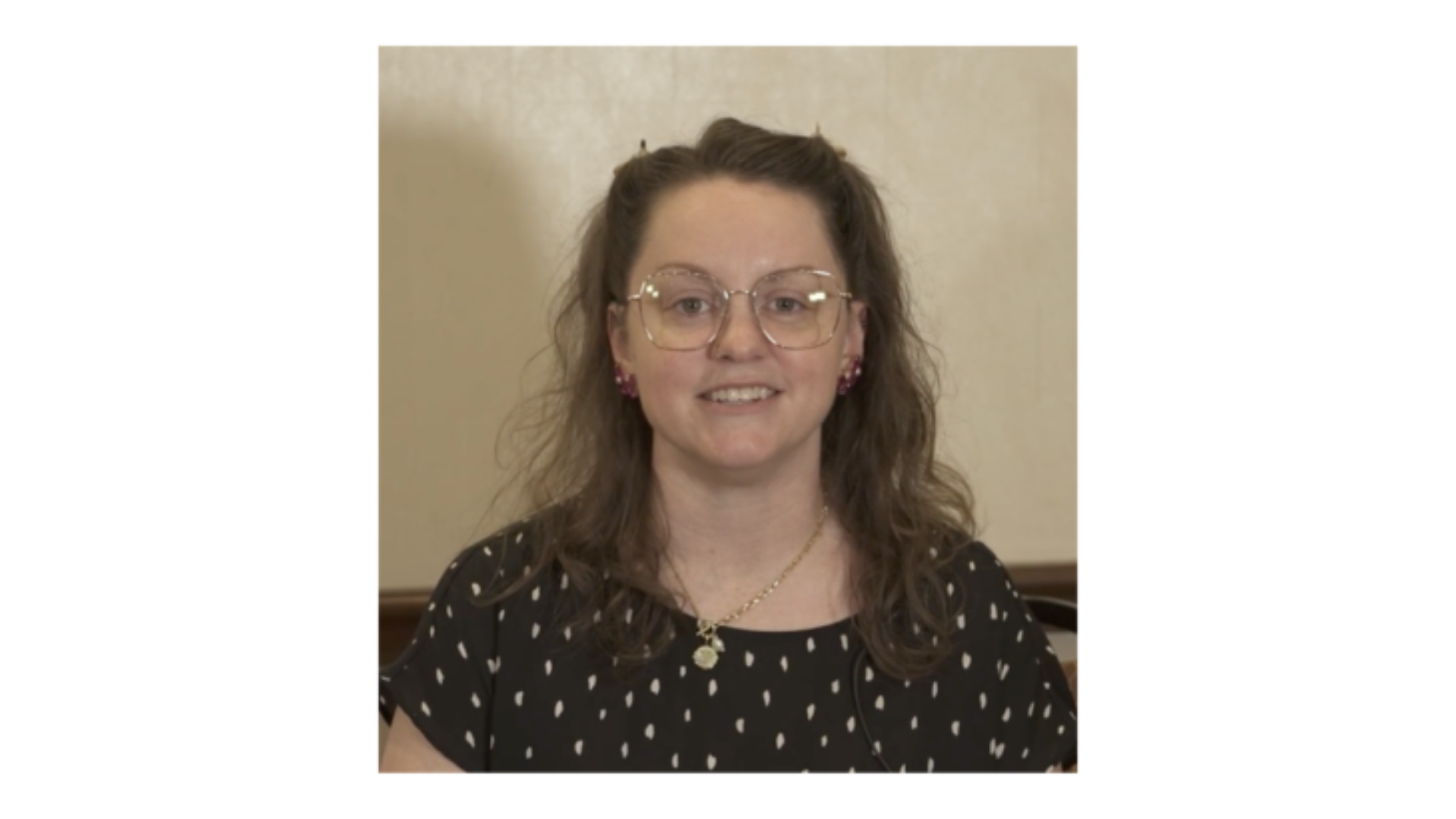
Let It Go: Lessons Learned in Severe Frostbite Care: Poster Insights From SAWC
July 22, 2026
Keywords
Categories
Key Takeaways
- Severe frostbite (hospital setting): Initiate evaluation promptly but allow days to weeks for tissue injury and necrosis to fully declare before major intervention, as premature surgery may worsen outcomes.
- Vascular assessment: Evaluate vascular status early; X-ray or CT may help define necrosis. In the described case (bilateral foot frostbite in an older woman with diabetes and smoking history), angiography restored distal blood flow before transmetatarsal amputation.
- Clinical management: A multidisciplinary team involving wound care, cardiology, and surgery is emphasized to assess blood flow, identify underlying vascular disease, and guide treatment decisions.
Please note: This content is a direct transcript, capturing the authentic conversation without edits. Some language may reflect the flow of live discussion rather than polished text.
Transcript
My name is Elizabeth Carradini and I am a wound care certified nurse practitioner.
With severe frostbite, it's really one of those things where you have the patient come into the hospital and you really want to act right away to try and save a limb if possible. However, it's so important to just kind of give it a day or a week or two to really fully declare itself because the necrosis can often come in days to weeks afterwards. Any kind of drastic early intervention could end up making things worse, harming the patient further. It's so important with cases like these that we check vascular status and that we are very, very closely communicating with our peers and in cardiology and surgery. Oftentimes you can get an X-ray or a CT to kind of show the full extent of the necrosis related to the frostbite. That can also help a little bit.
It really does depend on the area of frostbite. So with my case that I had, it presented bilaterally on both feet. She was a much older woman who had a history of diabetes as well as smoking. So we were pretty confident that she was going to have some kind of arterial disease. So we immediately contacted cardiologists so that they could assess the true severity of the arterial disease. And they were able to get her an angiogram, get her some flow going back down to the toes so that surgery was then able to go in and do a transmetatarsal amputation safely without the concern of further necrosis.
I really truly believe that a multidisciplinary team approach to frostbite is really the best case scenario for you as a clinician, for the patient themselves. Frostbite is pretty tricky so it's a very hard thing to just manage by yourself so you know if you ever have somebody that comes in with frostbite I would say go ahead and you know really assess the patient's history be concerned about blood flow. Be concerned about what are the underlying things that could be further impacted by the frostbite itself and just get in there with your care team and kind of figure out the best way to go from there.
The views and opinions expressed in this content are solely those of the contributor, and do not represent the views of WoundSource, HMP Global, its affiliates, or subsidiary companies.


