






Assessing and Aligning Patient Priorities
August 1, 2025
Keywords
Categories
Transcript
Catherine T. Milne, APRN, MSN, CWOCN-AP, ANP, ACNS-BC:
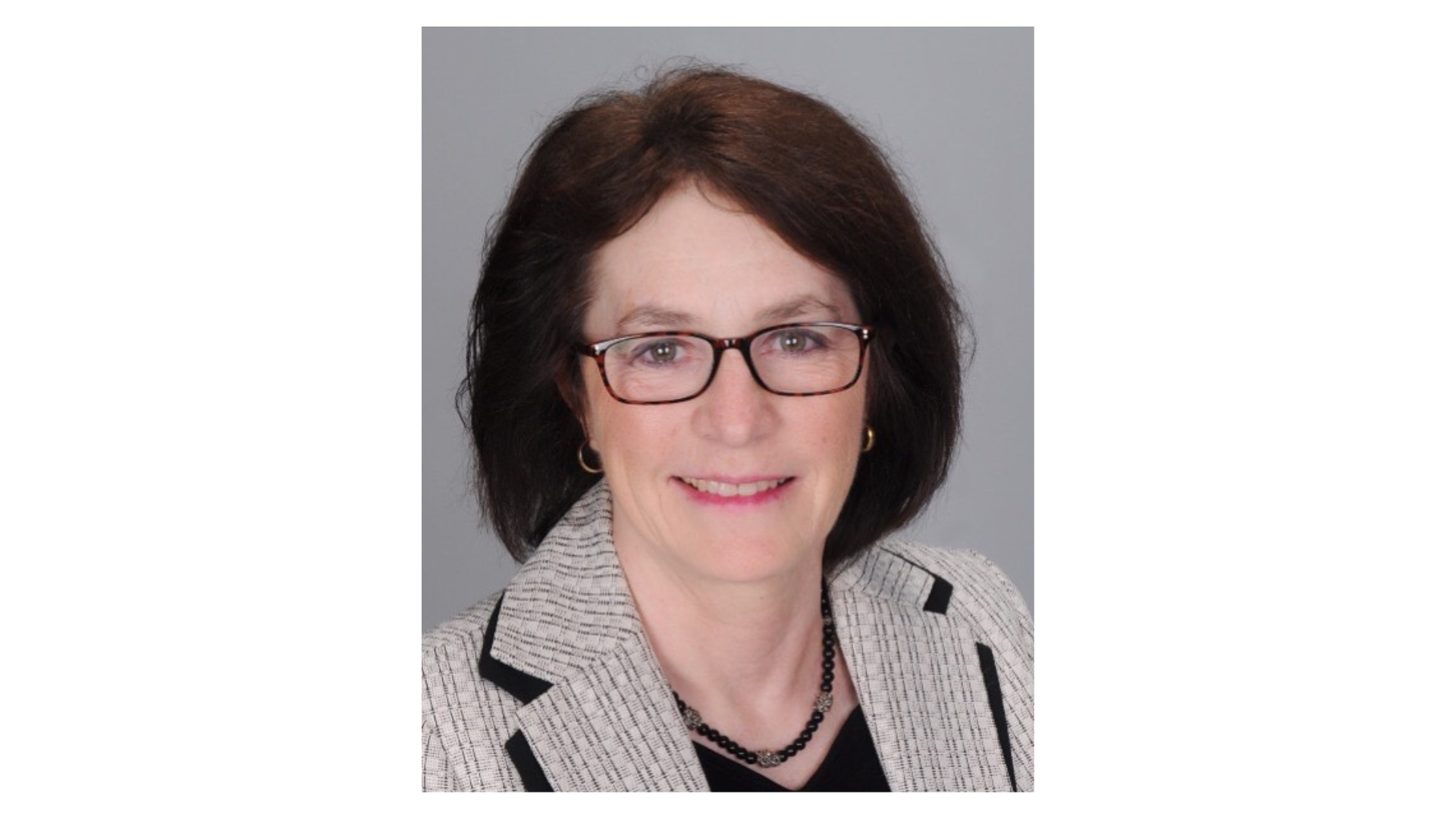
Hi, my name is Cathy Milne. I'm an Advanced Practice Wound, Ostomy, Continence Nurse for Connecticut Clinical Nursing Associates. I have a private practice, and I am so thrilled to practice across the continuum. So, I see patients in outpatient. I see them in acute care. I see them in long-term care, assisted living, make house calls for the truly homebound. And I've been known to go to the local dumpster where some of our homeless people seem to get their food, unfortunately, and I'll see their wounds there.
So, when people always ask me, "So what is wound balance? What does that mean? And how do you incorporate the patients into that framework?" Well, when you think about wound balance, it really means that your wound is in the optimal phase of healing. You actually have the cells in the right spot, you have your inflammation tamped down, your exudate is well controlled, you’ve got good flow, you can really heal that wound. And then the other part of this framework is the care balance. So you're really looking at how the provider is interacting with the patient, you're starting to develop a relationship with that patient, you are having clinical continuity, which is what I really love.
I think we lose a lot when our patient starts with one provider in acute care and then goes to the outpatient wound center and that from the outpatient wound center they may see home health, they may see the staff at short-term rehab, there's different products, different people saying different things to the patient, and so the patient gets really, really confused. But also when you transition these people all over the place, you start to have upsets in the biomarkers too, because you're getting different types of care, different levels of care, and not consistent care. So, that care balance is not only with the wound itself, but amongst providers and with the patient. But you also need that third piece. It's kind of like a 3-legged stool, and that's the patient balance. And so the patient experience is really important, and their quality of life is really important. Because if they don't have buy-in, if they are not participating and engaging, then you're going to miss some of the key pieces that may make that wound go from a good wound to a great wound that heals really, really fast.
So, when we think about traditional assessments, we think about length times width times depth, what kind of wound bed it looks like, what kind of drainage they may have. So, we're just really looking at the wound and what we should be doing is not only looking at the wound, but looking at the whole patient. I think when you start thinking about trying to get an assessment on these patients, it’s very complicated, and people don’t necessarily have time. That's one of our issues, I think, that we see. But they don't know what questions to ask. And I'm going to talk about that in a little bit. But one of the things is that we hear about all these mnemonics. We hear about TIME, and we hear about DIME, and we hear about, you know, the ABCD method, and this help us gives us a framework about what to address, but it really doesn't help us focus really immediately what's my first thing I need to do here, how am I going to approach this patient every single visit, and that's where the mnemonic BIOMES℠ comes into play. It's short, it's sweet, and you can remember it. I love it. BIOMES was developed by Trent Brookshier—he’s a podiatrist out in California—and it just makes so much sense, and it's very, very simple.
So, B is for blood flow. If you don't have blood flow, you're not going to heal a wound. It doesn't no matter what you do for that wound, it just won't heal. You need blood flow to the area. So Dr. Armstrong talks about toe and flow for the diabetic foot wound. It doesn't matter. This BIOMES, mnemonic, really goes across the board. Doesn't matter if it's a toe, a bottom, a scalp, an elbow; you need blood flow to get to the area.
The second one is infection. So, if you don't deal with infection, if you don't deal with biofilm, if you don't identify biofilm, if you don't figure out how contaminated that wound is, even though you may not see any contamination, we know that biofilm is most likely there in the wound bed. It happens very, very quickly. A mature biofilm can set up within 24 to 48 hours depending on what the organisms are that are in there. We do see biofilms even on the edge of surgical wounds within 3 days. So, we know we have to address infection. And then the question is how you do it? But you've got to kind of go through all these steps.
O is for offloading, and I know that we think of the diabetic foot patients, we should offload them in some regard, but we need to offload every wound that we come to, because there's always some type of mechanical stress, whether it's friction, whether it's shear, some kind of physical force will always impact the wound. So, you know, whether it be a specialty bed, something for their foot, maybe something for their elbow, you know, an elbow pad or even a dressing that can help redistribute pressure, that's excellent. I mean, you have to offload these things.
M is for moisture, and we all know that too much moisture and not enough moisture makes those cells not want to divide and move and secrete the chemicals and growth factors that that wound needs to heal. So, you have to get that amount of moisture correctly. Now too much moisture usually indicates you probably have too much bacteria or inflammation or both in that wound bed, and it needs to be addressed. And that's why you really want to think about dressings that are going to help you, A, address all that exudate, but B, when that exudate is absorbed into the dressing, that it's sequestered in that dressing. You don't want to put a dressing on, have a lot of exudate, have the patient then get a compression wrap, and squeeze all that stuff back out into the wound and the surrounding skin. So you have to get the right dressing to deal with the moisture. But also we have to think about other forms of moisture besides just the wound. And that's really the E for exudate, but the moisture such as sweat or urine or stool, maybe secretions from somebody's saliva. So, there are a lot of things out there that can cause moisture.
E is for exudate. We kind of already talked about that under moisture. Again, exudate is made of many, many things. It can be good exudate or it can be clear exudate. If you have somebody with lymphedema and a very partial thickness wound, they drip, drip, drip, and it's really, really clear. It can be thick. It can be seropurulent. And so the exudate, E, assessing it makes really a good reminder about all the things, all the colors that you might see in that exudate, and then how to address it.
And then S for their life, their social life, social determinants of health. I kind of have to be somewhat amused that we're all paying attention to social determinants of health, because I think in nursing school 40 years ago, nurses were really keen on being taught about assessing for the patient's quality of life, how their home life is, what's their access to care, what kind of food are they're eating, who's important to them.
So BIOMES: blood flow, infection, offloading, moisture, exudate, and S for social determinants.
Like, how do you put BIOMES to use in that initial assessment? So usually, we start asking all the questions that are in electronic medical records, asking us to fill in their height, their weight, how long have you had the wound, how did it start, what makes it worse, what makes it better. And then I usually just say, instead of asking these questions of you that my medical record makes me ask, just tell me your story. Tell me how this wound started. What do you think happened? What do you think, you know, what have you tried? Just tell me the story of your wound. And so they start telling the story, and then you can get a lot of that information transferred into the EMR. But the other reason you want them to tell their story is that you can start thinking about, okay, do they have blood flow? Are they reporting signs and symptoms of infection? Is the wound moist? Are they sweating? Do they have problems with incontinence? E for, you know, is there drainage problematic for them? And what about their wounds? Can they get supplies? So, you can start using this and asking them questions after they tell their story. It's very interesting.
A woman named Zena Moore, she's in Ireland, she has done a lot of research into patients’ engagement in their wound journey. And I do want to talk about that in a little bit about what she has found, because it's very interesting, because when we looked at her research, and I actually had a student who was doing some research under me, she took Zena Moore’s tool and asked the nurses how they would rate certain patients to think of a difficult patient or describe a patient and then describe where they are on the engagement scale. And what was very interesting is that the nurses really didn't know how to assess how engaged a patient is. So, I think we have to start with us about getting our patients engaged.
So, patients don't like to share things that are very personal, especially at the initial visit. And so it's really hard to kind of pull them out. So, one of the things that we find very successful is, first of all, getting on the patient's level. So, if you're standing up and looking over them, then that actually makes an uneven relationship. So, try to either sit eye-to-eye or, if they're at the exam table, bring them up. And so you can see them eye-to-eye because that makes everything kind of give an appearance that it's an equal relationship. And it is an equal relationship, because if your patient isn't engaged, forget it, you're not going to get that wound to heal as fast as possible.
So, one of the things is that, instead of saying, you know, do you have any problems getting here? Can you afford, you know, all your medicine? Can you afford to eat? Can you afford your dressings? Is to, first of all, find out what their goals are. And I always kind of, I find that saying, you know, wounds can take a long time to heal: 16, sometimes 26 weeks. And then the patient goes, [gasp], you know, and you say, but there are things that we can do to speed things along. And what I like to do is break this down to small bits of healing, because the first thing we need to do is make sure you are as healthy as you can be. The second thing we need to do, which we will overlap on some of these, is to address your drainage and make sure you can get the care that you need and the supplies you need. How did you get here today, if that's an outpatient clinic question? Who's at home to help you? Have you ever used a visiting nurse? What problems do you see? What problems have you had in caring for this wound? So, those are some of the things.
And then, you know, a lot of people have things coming up in their life. There's a new baby coming. Maybe there is a wedding coming up. Maybe there is a special anniversary. Or is there any special event coming up that, you know, you need to or want to participate in because that's where we want to head to first. And so, you know, we've had a lot of people a lot of my patients, they've had family that's getting married or they have a vacation they want to go to, and we say, okay, we want to get you stable enough so you can at least attend this wedding or this vacation or whatever special event is, you know, hold that new baby. So, that's what I try to pull out of a patient, because when they say, well, I don't think I can go to that wedding because it's 100 miles away, and I won't be having anybody to help me change my dressing, like, okay, we can work with this. And so we, you know, move on forward with that.
Let's talk about patient engagement for a second. And I know I've already talked a little bit about Zena Moore's work, but when you look at Zena Moore's work, she's actually been able to classify patient’s engagement into 4 different styles.
So, one style is the self-reliant patient. And that is the patient that, they already have come in, they've already done their research, they know what's wrong, they want to, they ask a lot of questions. They want to be able, you know, can you show me how to do this dressing? Can you show me where I can get the good things to eat to help my wound heal faster? Can I get a referral to the endocrinologist to help get my diabetes under control? So, those people are self-reliant. You don't worry about those people. So, you can give them a lot of information. You can you have them go back and forth, and so, you really don't have to really worry a lot about those people.
Then you have what I call the reassurance seekers. So, these people who want to do the right thing, they want to do it all the time, but they need to be reassured that they are doing it right, so they we call them in a way sometimes the worried well, even though they're not that well. Oh, did I do this right? I did this a little bit differently than what you told me. Did I hurt my wounds? We've heard those patients. We know their tone of voice. Those people, also, you can give lots of information. They will try to do the best they can. You just have to give them tons of encouragement. And it means sometimes calling them in between their visits and saying, hey, you know, how are you doing? Or maybe asking the visiting nurse to check in with them and then call you and then you can call them if there's a problem.
Then we have those patients who I call the unaware. They are patients who really feel that they should be very passive in their healthcare. They don't ask questions, they don't want to participate, or they appear that they don't want to participate. I think they, in a way, I think they're almost paralyzed by trying to help themselves. So, they just really need permission. And so you have to be very direct with them and say, you know, I need you, I can't heal this one myself. I need you to help me heal this wound. And we have to work together as a team. And so, and I'm going to give you small bits of information every single time we're here, so you can learn these skills and build upon them. But it's really giving somebody permission that they can help themselves.
And then we have the patients that are reliant. These are the patients that really depend on others, and they may be in a nursing home. They may live alone at home. They may be very socially isolated. Now, it's interesting both the unaware and those that are very reliant on care have very small social circles. So, which is why it's really important to say, so, who's in your life that you interact with on a daily or a weekly basis. Do you have kids? Do you have a spouse? What about your dog? So, the bigger the social circle, the more self-reliant and those that seek reassurance are also in that group with a larger social circle. So, really, if you really want to figure out where they're going to probably fall—and people will go back and forth, right? You might be self-reliant one week and then need reassurance the next week, and so during their wound care journey they will go back and forth, and you have to kind of change your tactics as you go, but Zena's work is really wonderful.
Again, we've identified those people; what we haven't identified is, truly, some of those, the best way to ask those questions and what questions they are for patients so we can figure out where they are in that little grid of patient engagement. So, great work that she's done. I really am thrilled that I have a framework and to help me take care of those wound care patients.
BIOMESSM was created by Trent Brookshier, DPM, and is a service mark of HARTMANN USA, Inc, © 2024 HARTMANN USA, Inc.
The views and opinions expressed in this content are solely those of the contributor, and do not represent the views of WoundSource, HMP Global, its affiliates, or subsidiary companies.


