






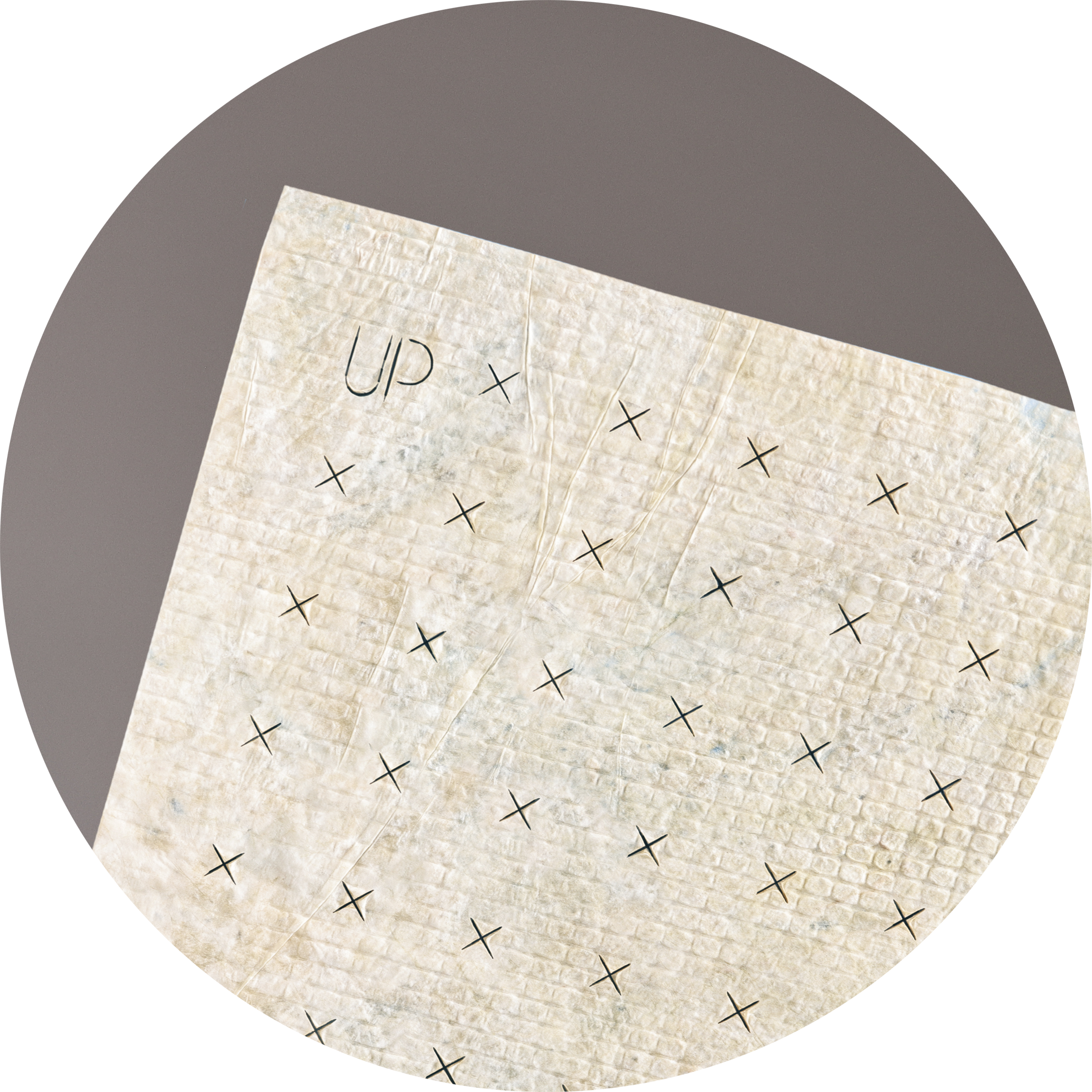
EPIXPRESS® Lyophilized Human Amnion Chorion Membrane (LHACM) Allograft
EPIXPRESS® is a lyophilized human placental allograft that includes the amnion layer, intermediate layer, and chorion layer.
EPIXPRESS® provides a protective barrier on wounds and thereby supports the healing process.

MIMEDX Group, Inc.
MIMEDX is a pioneer and leader in placental biologics focused on delivering innovative solutions to patients and the health care professionals who treat them. With more than a decade of helping clinicians manage chronic and other hard-to-heal wounds, MIMEDX has been dedicated to providing a leading portfolio of products for applications in the wound care, burn, and surgical recovery sectors of health care.
Benefits
• Lyophilized human placental-based allograft membrane that includes the amnion layer, intermediate layer, and chorion layer
• PURION® process preserves Extracellular Matrix (ECM) components including 300+ regulatory proteins
• Easy to apply
• Fenestrated to help facilitate fluid movement
• Can be repositioned after hydrating
• Compatible with compression therapy, negative pressure wound therapy (NPWT), and hyperbaric oxygen therapy (HBOT)
• Terminally sterilized
• Shelf-stable
• 5-year shelf life
Indications
EPIXPRESS® is intended for use as a barrier to provide a protective environment in acute and chronic wounds. EPIXPRESS® is utilized in the management of partial and full-thickness wounds, including those with exposed muscle, tendon, or bone.
Contraindications
EPIXPRESS® should not be used on: (1) areas with active or latent infection and/or (2) a patient with a disorder that would create an unacceptable risk of post-operative complications.
Warnings and Precautions
EPIXPRESS® allografts remain suitable for transplantation in an unopened, undamaged package, under proper storage conditions.
Please inspect the integrity of the package upon receipt. If package and contents appear defective or damaged in any way, immediately contact the distributor.
This allograft is intended for single-patient use only. Discard all unused material.
The procedure should be performed by an authorized medical professional.
Strict donor screening and laboratory testing, along with dedicated processing and sterilization methods, are employed to reduce the risk of any disease transmission. However, as with all biological implants, an absolute guarantee of tissue safety is not possible. This allograft has the potential to transmit infectious disease to the recipient.
The reaction of the body to any biological implant is not completely understood.
Caution should be used when treating patients with a known sensitivity to aminoglycoside antibiotics.
Discard all damaged, mishandled or potentially contaminated tissue.
Adverse Effects/Reactions
As with any procedure, the possibility of infection exists.
Proprietary processing and validated sterilization methods are employed to eliminate potential deleterious components of the allograft. However, as with all biological implants, the possibility of rejection exists.
Any adverse reactions, including the suspected transmission of disease attributable to this allograft, should be reported immediately to MIMEDX®.
Storage Requirements
It is the responsibility of the distributor and/or end-user clinician to store EPIXPRESS® allografts in a clean, dry environment between 2–30°C prior to further distribution or transplant. EPIXPRESS® allografts have a 5-year shelf life. Check the label for the expiration date.
How Supplied/Sizing
2cm x 3cm, 3cm x 5cm, 7cm x 7cm
HCPCS Code
Product features
Assigned HCPCS code
Minimally manipulated
Cryopreserved
Dehydrated
Desiccated
Flowable
Micronized
Sheet form
Requires refrigeration
Shelf life greater than 2 years
Shelf life limited
Indicated for acute wounds
Indicated for chronic wounds
Indicated for diabetic ulcers
Indicated for pressure ulcers
Indicated for surgical wounds
Indicated for third-degree burns
Indicated for venous ulcers
Contact manufacturer for usage guidelines
Other features
Educational Material Available
Free Samples/Trials Available
Published Clinical Article Available
Recommended Use
Acute Wounds
Chronic Wounds
Deep Wounds
Dehisced Wounds
Diabetic Foot
Granulating/Epithelializing Wounds
Moderate/Highly Exudating Wounds
Non/Minimally Exudating Wounds
Pressure Ulcers
Superficial Wounds
Venous Ulcers
Mode of Use/Application
Preparation, Reconstitution and Use:
Prior to implantation, carefully follow the EPIXPRESS® allograft preparation steps below using aseptic technique:
Wound Bed Preparation
Ensure the wound is free from clinical sign of infection. Prepare wound bed as needed.
Removing EPIXPRESS® from Packaging
The outer peel pouch is NOT sterile. The inner pouch that contains EPIXPRESS® is sterile (unless the pouches are damaged or compromised). Carefully open the peelable corner of the outer pouch and extract the inner pouch using aseptic technique. Ensure the inner pouch does not come in contact with any portions of non-sterile surface of the outer pouch. Using aseptic technique, SLOWLY peel a corner of the inner peel pouch and grasp EPIXPRESS® with fingers or non-toothed, sterile forceps. Use EPIXPRESS® promptly after opening the inner, sterile pouch.
PLEASE TAKE GREAT CARE WHEN REMOVING THE PRODUCT FROM THE INTERNAL POUCH.
EPIXPRESS® Preparation
In a dry state, use sterile dry scissors to cut EPIXPRESS® to fit the wound margins. Depth of the wound should be taken into consideration, allowing contact of EPIXPRESS® with the wound bed and walls to the edges and overlapping, as appropriate. It is acceptable to overlap the wound margins with EPIXPRESS® by 5–10mm to facilitate fixation to the tissue, or amount deemed medically necessary by the provider. EPIXPRESS® can be applied wet or dry. EPIXPRESS® can be hydrated while on the wound site with sterile saline solution. Simply apply several drops of sterile solution to EPIXPRESS®.
EPIXPRESS® Orientation & Application
EPIXPRESS® should be placed on the wound site, using the orientation of the lettering (e.g., UP) as a guide. Proper orientation can be noted when the fenestration nomenclature reads correctly from left to right. EPIXPRESS® can be used on wounds with exudate present. Suture material (absorbable, non-absorbable) and/or tissue adhesives can be used to affix EPIXPRESS® allografts to the site of application or to itself, if desired.
Note: Not intended for use as a load-bearing tissue.
Support Therapies
EPIXPRESS® is compatible with offloading/compression/negative pressure therapies. EPIXPRESS can be used in conjunction with hyperbaric oxygen therapy.
Additional Recommended Dressings
Primary Dressing
EPIXPRESS® should be covered with a non-adherent contact layer. EPIXPRESS® should NOT be disturbed, if possible, for several days or before the next application, if needed. If an infection occurs at the graft site, treat infection per institution’s protocol.
Secondary Dressing
EPIXPRESS® requires a moist wound environment. Use appropriate moisture management dressings for the wound type and treatment ideology.
No posters match your selected filters. Remove some filtres, or reset them and start again.
Related Products

Salera®MTF Biologics Wound Care

AlloPatch® PliableMTF Biologics Wound Care

AmnioBand® MembraneMTF Biologics Wound Care

Leneva® Allograft Adipose MatrixMTF Biologics Wound Care


Have a product to submit?
Be included in the most comprehensive wound care products directory
and online database.
Learn More