






Technology-Enhanced Diabetic Foot Ulcer Management
April 27, 2026
Keywords
Categories
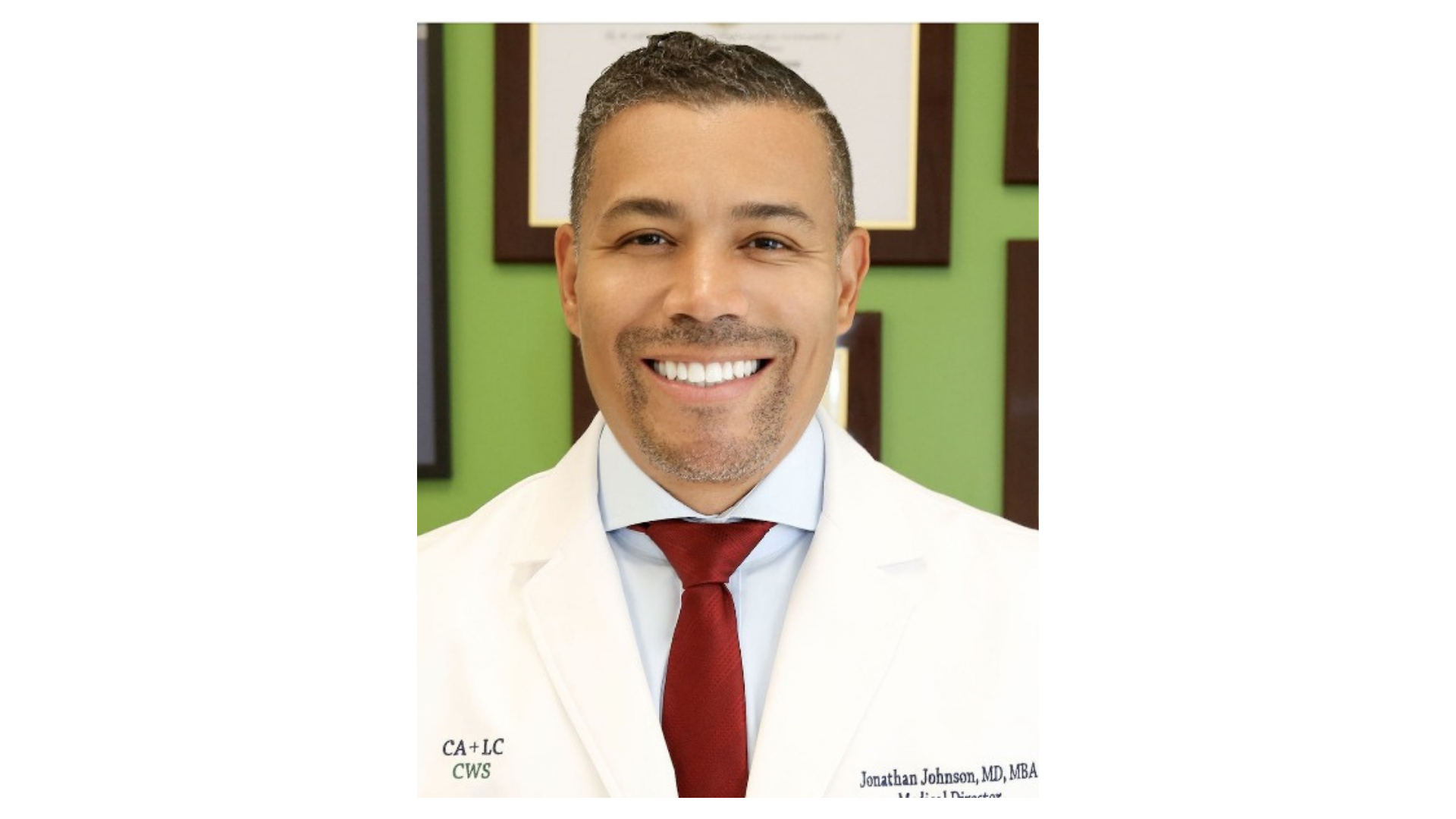
In this interview, Dr. Jonathan Johnson discusses insights from his recent WoundCon Spring session on how emerging imaging technologies are transforming diabetic foot ulcer (DFU) management by enabling earlier detection of infection, ischemia, and tissue involvement. He highlights how these tools support real-time clinical decision-making, improve documentation, and help standardize care across diverse practice settings.
Key Takeaways
- Advanced imaging improves early detection and documentation, using digital measurement, fluorescence, and thermal technologies to identify infection, ischemia, and wound progression beyond visual assessment.
- Technology supports real-time clinical decision-making, guiding debridement, offloading, vascular referral, and overall treatment planning based on perfusion, oxygenation, and bioburden.
- Scalable, integrated tools enhance outcomes and efficiency across care settings, helping standardize DFU management while improving patient quality of life and continuity of care.
Transcript
WoundCon family, this is Dr. Jonathan Johnson, Head of Comprehensive Wound Care Services, and I am super excited to deliver this informative and great instructional video on understanding the complexity of diabetic foot injuries and what we can do from a technology-based standpoint to make sure we decrease costs, treat patients effectively, and make sure continuity of care remains consistent along the wound care pipeline.
So, we have about 5 questions, and let's dive into these briefly. So, the first question is, and I typically get this sometimes when I'm rounding, lecturing, etc, diabetic foot ulcers remain one of the most challenging and costly wounds to manage. What gaps in current assessment practices are driving the need for the next generation tools? So, when I think about this question, I always focus on, number 1, compliance with your documentation; number 2, thinking about the patient's quality of life; and number 3, making sure you're focusing on the standard of care. Now, whether that's you using from a clinical standpoint, imaging and measurement resources, whether you're using resources that help you understand the fluorescence aspect or the bioburden aspect of a patient, or whether that's utilizing technology to supplement your documentation when you're focused on advanced wound treatments. It's always key to understand that we need to, again, cut costs, help patients as far as their quality of life, and remain within the standard of care when treating these type of wounds.
So, a second question we tend to get sometimes is, how can emerging assessment technologies help clinicians detect complications like ischemia, infection, or deep tissue involvement earlier than traditional visual and tactile exams? I'm sure like most of you, going through your medical training, you were taught the basics of number 1, skin care, and number 2, understanding what diabetic injuries and diabetic wounds are. So, we're really used to the technical ABIs. We're really used to monofilament testing. We're really used to understanding the Wagner grading and even the Texas grading systems and how that correlates to your documentation.
The key now is to take a step further and use technology that we have out there. There's imaging resources that we can use, again, to look at the heat that you can see at the diabetic injury or diabetic wound site. We're looking at issues with fluoroscopy, and we're looking at the fluorescent imaging of the bioburden, as we said before, and how do we interpret that information to make sure we, number 1, clean and clear the wound bed and/or prep it for advanced wound treatments. So, we're looking at those advanced technology-based standpoints and some of those imaging devices, which is also giving us measurement resources as we move through the continuity of care for our diabetic patients.
So, we're looking at a third question that we typically get sometimes. And that question is, in your experience, how do these newer tools enhance real-time clinical decision-making, particularly when determining debridement strategies, offloading plans, and the need for referral? Again, technology is all around us, and specifically these days in healthcare, as we all understand, AI and technology is inevitably going to be in our wound care flow and our general medicine flow in general, as far as our management styles, as far as how we document, as far as our patient encounter resources. So, from my experience, we try to implement, number 1, technology, again, visual imaging, understanding the bioburden makeup of a wound, understanding blood flow, understanding to make sure that the key healing resources in diabetic injuries and wounds, and typically all wounds in general, is blood flow and oxygen.
Without proper blood flow, you're not bringing oxygen to the wound, so it cannot progress through those four stages of healing that we've all learned about continuously as we progress through our wound care, you know, as we progress through understanding the concepts of wound care. So again, my experience focuses on utilizing those technologies. And it also helps us to, number 1, identify ischemic issues. So, then, we're talking to vascular surgery to make sure they are on board as needed. We're looking at infection issues. So, we're able to detect, you know, induration, we're able to detect erythema around the wound edges or even the normal signs and symptoms of infection as we see the patient and as we see the wound.
Now, obviously in patients that have skin of color, and I'm biased, obviously, because we did great work on understanding this, looking at the fluorescent imaging of a wound will help us to determine how much of a bioburden needs to be removed, again, in order to make sure the patient moves through those wound healing phases effectively. So, it's really important to utilize technology and our imaging modalities to, number 1, know how deep we need to debride and which resources we need to debride. Are we using SARC imaging? Are we using the wound brush? Are we making sure we're offloading, you know, the patient and the limb and the foot at that specific time. So, and then from referral base, again, we talked about understanding the blood flow side and some of the resources that we use to determine the ABIs and then figuring out when vascular surgery needs to be involved.
So, we also hear and talk a little bit about this other question that we get all the time. Many of our viewers practice in outpatient clinics, different places of service, home health, rural settings, or hospital systems with varying resource. That is healthcare as we know it today. And I think we're all very, very well-versed in understanding how to work with and without resources in different places of services. Which of these technologies are most realistic and scalable across diverse care environments? Awesome question. I think the foundation is understanding how to use your digital measurement systems. Very key because it helps you correlate those measurements. You're looking at your surface area. You're focusing on understanding the length, the width. You're also looking at the depth. You're also looking at undermining and tunneling and the consistency and makeup of what that wound is. So, being able to scale that is fundamental and baseline.
Now, we're moving to modalities that focus again on fluorescent imaging and understanding the microbial makeup on the wound bed. Then we're looking at resources that help to understand blood flow. We're looking at heat. We're looking at CO2 exchange. We're looking at O2 exchange and understanding how to utilize those specific resources to help the patient heal as quickly and as effectively as possible. So, I think the key is using the resources you have in the specific places of service are key. And as we move through technology and as it continues to improve, I think the number 1 point specifically on the diabetic side is how can we engage all of these specific technology-based resources into one wound care-based technology so that we can utilize it once without having to reach for multiple different resources? And that's really the key of what we're really trying to focus on in medicine and in wound care in general. But specifically, we understand how detrimental diabetic wounds can be to the patient's overall comorbidity, to their quality of life, and as they move around in this world.
You know, again, the digital imaging technology is super key and is very scalable and realistic. The fluorescent imaging and same with understanding the caloric changes, the heat changes, which tell us that there's areas of infection. It tells us if there's areas of increased or decreased blood flow. And having those devices as baseline will help you make sure you understand your debridement strategies, your offloading plans, and then some of your advanced wound treatment.
For clinicians that are attending the WoundCon session, there's particular takeaways that I think we really can expect and some of the steps that we can immediately implement in our practice now to strengthen our DFU assessment protocols. And again, this goes back to what we've kind of been talking about the entire session and what you'll be able to see coming up when we go through number 1, WoundCon, but obviously the session on diabetic technology and understanding how to use those resources to help heal diabetic foot injuries as quickly as possible and diabetic foot wounds as quickly as possible. So when you're attending, understand, first of all, where you are in your clinical assessment; number 2, what resources you have; number 3, what resources you can actually obtain.
And I think, again, understanding the digital, measurement systems, understanding the fluorescent-based resources, understanding how we can utilize, you know, a vascular-type workup from a technology standpoint. Again, these are your ABIs, these are your pCO2s, these are your, you know, your spectrometry flows as well. And that's understanding that blood flow and understanding heat uptake, and seeing where there's areas of concern: number 1, whether it's infectious, or number 2, whether it's decreased blood flow to that specific wound. So again, understanding where you are as far as which resources you have and your place of service. And number 2, how do we utilize technology and AI in order to treat our patients effectively? I think we all understand the cost and the mental load and a lot of the decreased quality of life issues that our patients have with diabetic foot injuries and DFUs. So, we want to make sure that we're utilizing all the resources effectively as possible to make sure our patients heal and have a great life. And if we do that, then we're focusing on our mission to help patients heal in a timely manner.
The views and opinions expressed in this content are solely those of the contributor, and do not represent the views of WoundSource, HMP Global, its affiliates, or subsidiary companies.


